
Renegade Marketers Unite! Let’s Cut Through Together
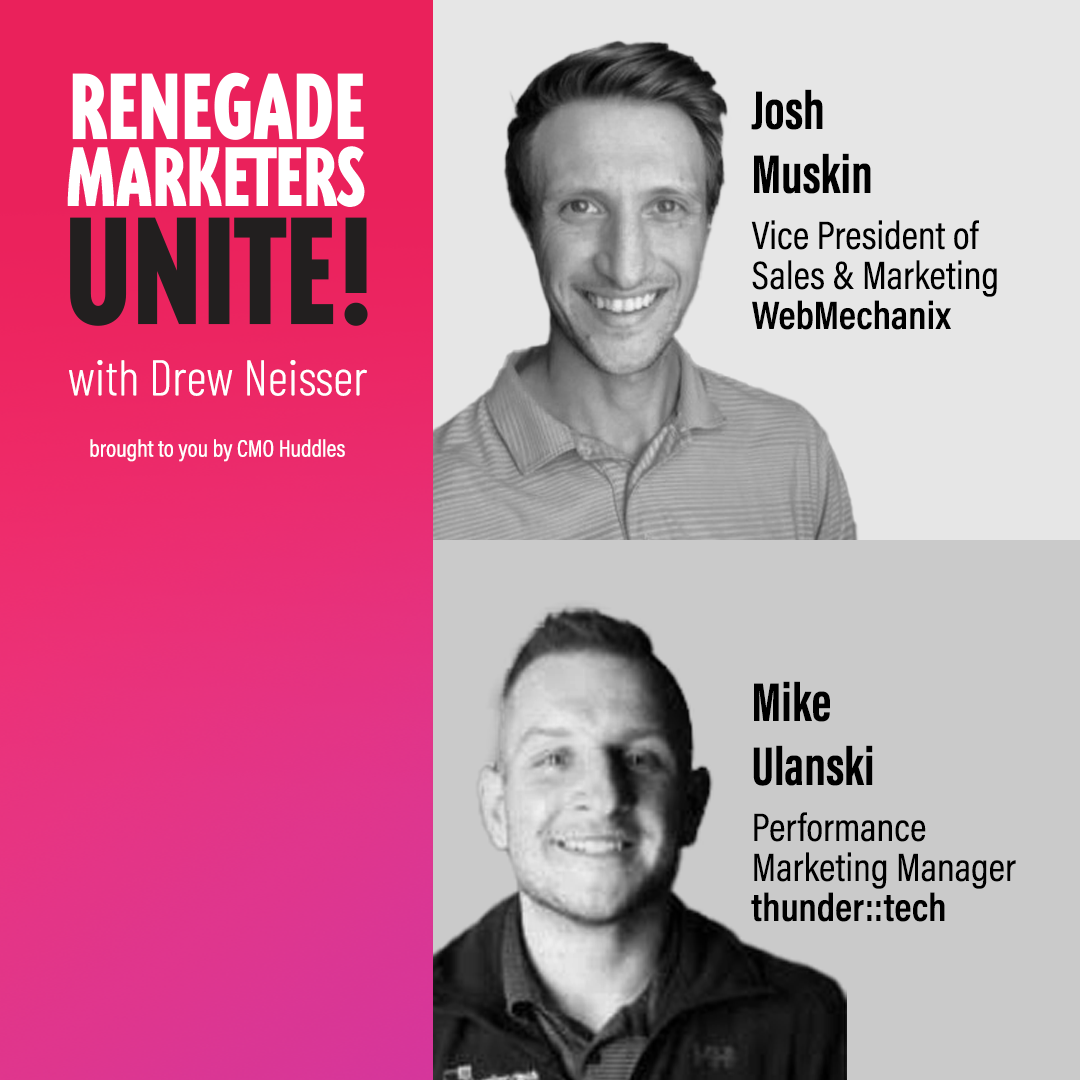

Privacy Laws, First-Party Data, Google On-Page Results… Oh My!
A podcast with
Josh Muskin - Mike Ulanski
, WebMechanix - thunder::tech
From new privacy laws to AI-influenced Google search algorithms, there’s been a massive shift in the world of B2B paid media. In response, CMO Huddles has tapped Josh Muskin of WebMechanix and Mike Ulanski of thunder::tech, experts in cutting-edge targeting ...read more
Future Thinking: Develop Your AI Intuition
A podcast with
Noah Brier
Founder, BrXnd.ai
Fingerspitzengefühl: A German loanword literally meaning “fingertips feeling.” It’s a term that AI trailblazer Noah Brier of Brxnd.ai cites in his conversation with Drew about the digital sixth sense today’s marketers must hone to master AI’s potential. In this episode, ...read more
Forrester’s Transformative B2B Marketing Playbook
A podcast with
Matt Selheimer
VP & Research Director, B2B Marketing Executives, Forrester
In the ever-evolving rodeo we call “B2B marketing,” CMOs have a lot to juggle. From navigating demographic shifts to lassoing elusive budget approvals, this episode dissects the critical skills needed to not just stay on the bull, but to lead ...read more
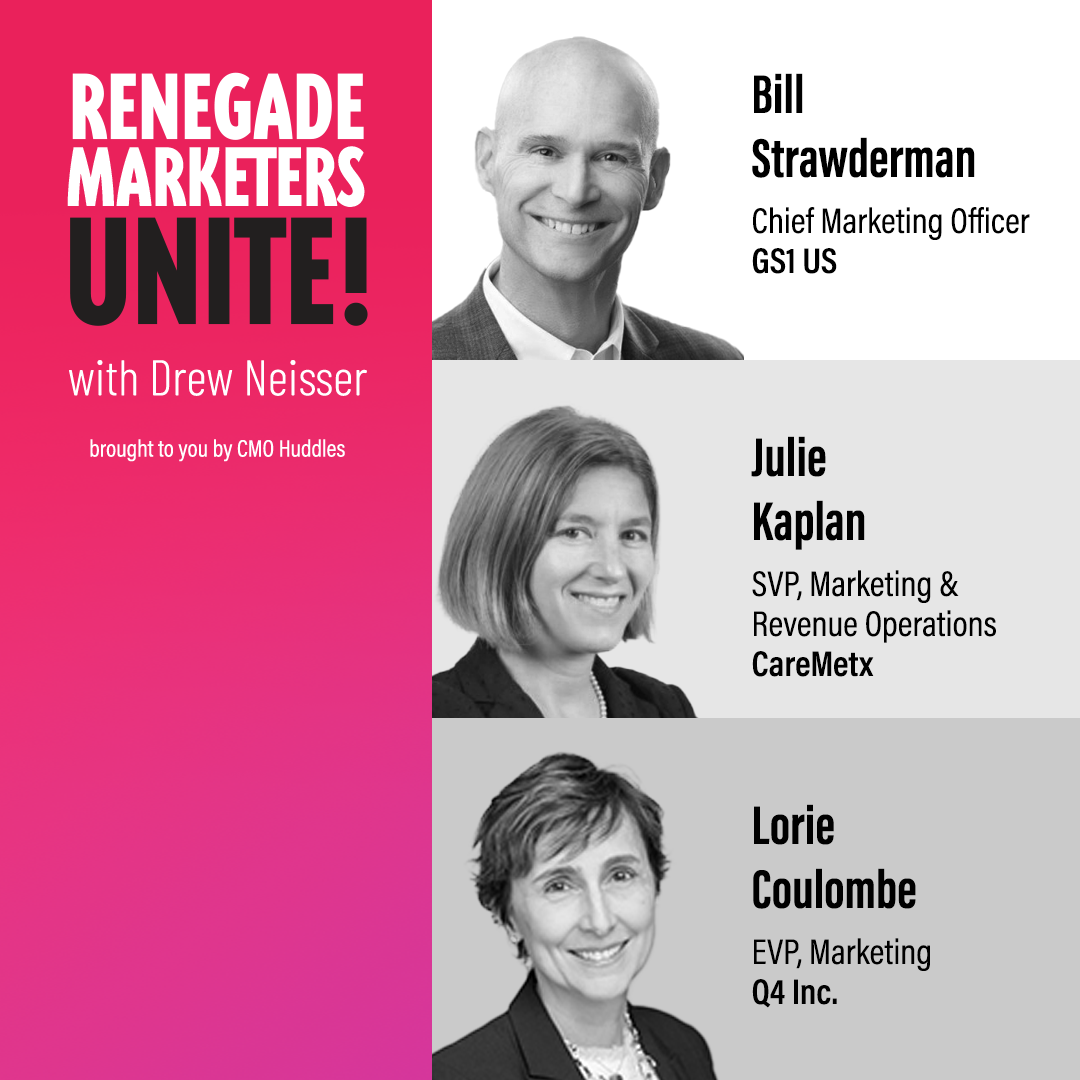
The Reflective CMO: Harnessing Introversion
A podcast with
Bill Strawderman - Julie Kaplan - Lorie Coulombe
CMOs, GS1 US - CareMetx - Q4, Inc.
Is the pen mightier than the roar in the realm of B2B marketing? Witness the unexpected edge introverted leaders like Bill Strawderman of GS1 US, Julie Kaplan of CareMetx, and Lorie Coulombe of Q4, Inc. wield in an arena where ...read more

Training Your LLM & Other AI Marketing Hacks
A podcast with
Andy Crestodina
Co-Founder & CMO, Orbit Media Studios
Aside from “Artificial Intelligence,” what does “AI” stand for? According to digital marketing expert Andy Crestodina of Orbit Media, it’s: “Another Input.” And this second opinion, when trained right, is able to identify gaps that the human brain can’t see, ...read more
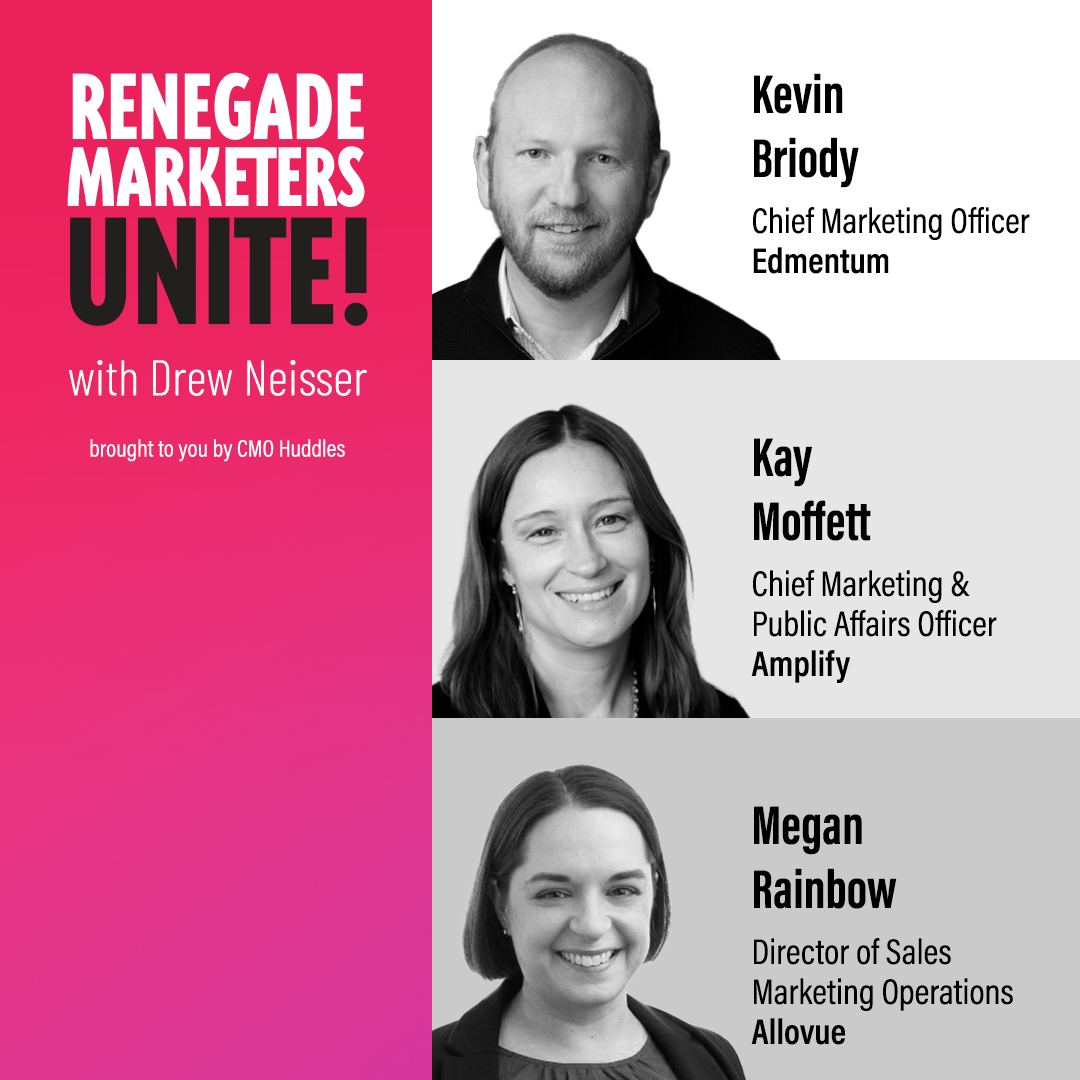
Syllabus for Success: B2B Marketing Lessons in EdTech
A podcast with
Kevin Briody - Kay Moffett - Megan Rainbow
CMOs, Edmentum - Amplify - Allouve
EdTech marketers, this show is for you. Everyone else, this show is ALSO for you. Let’s examine the unique challenges EdTech marketers are facing right now: They effectively have to market to 50 local markets Due to the academic year, ...read more

Speed Sells: The Crucial Role of Time in Customer Satisfaction
A podcast with
Jay Baer
Author, The Time to Win
Two out of three customers say that speed is as important as price—making it an essential ingredient of brand success. That’s why it’s time for CMOs to harness responsiveness as a distinct competitive advantage. In this episode, Jay Baer provides ...read more
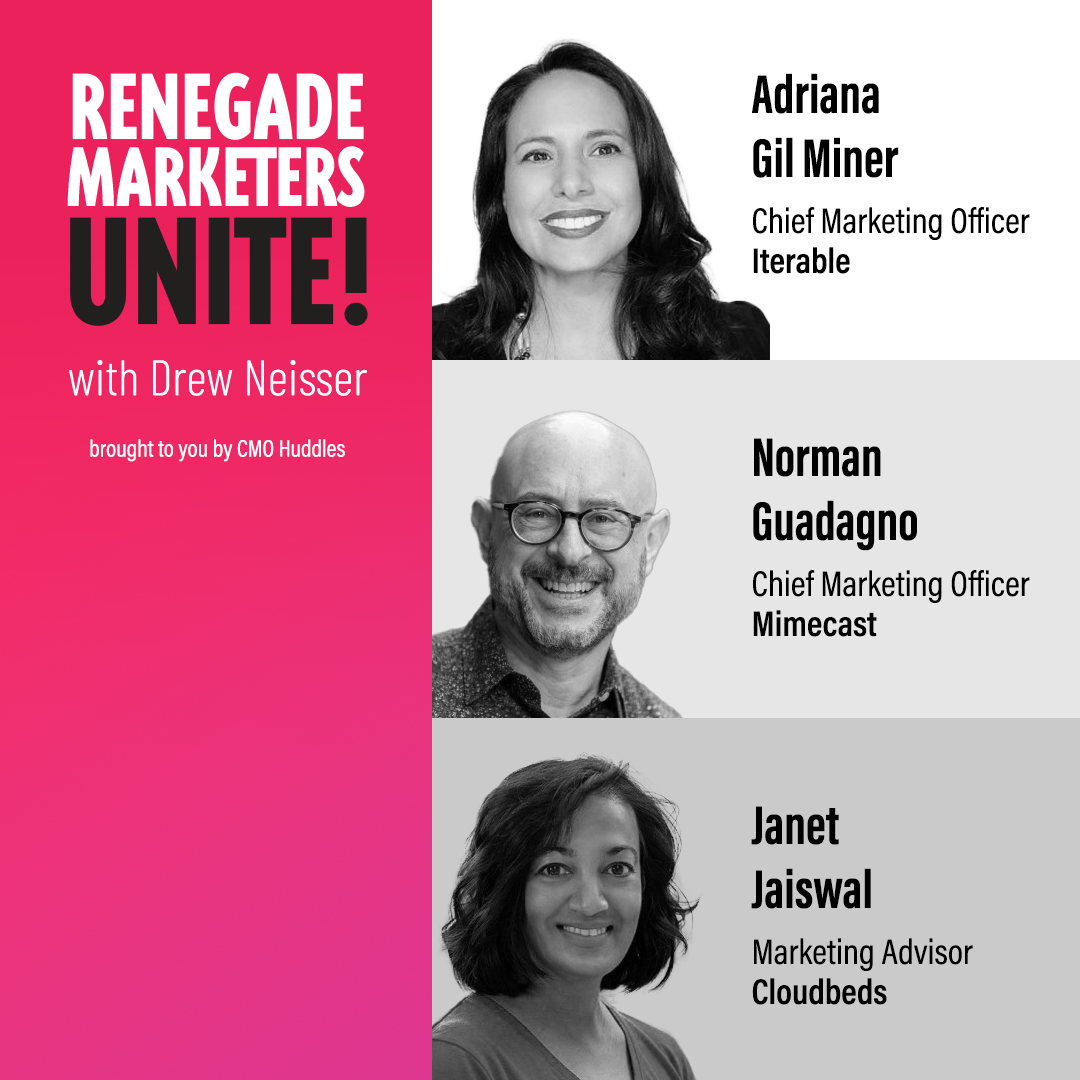
Flex Your Global Marketing Muscles
A podcast with
Adriana Gil Miner - Norman Guadagno - Janet Jaiswal
CMOs, Iterable - Mimecast - Cloudbeds
Expanding into new markets can bring incredible growth opportunities for B2B brands. But how can marketers navigate the complexities of cultural nuances to build successful global marketing strategies? Spoiler alert: It’s not easy tying together a global marketing model under ...read more
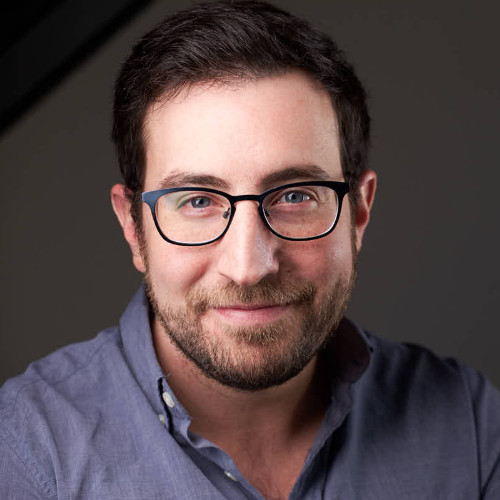
Rethinking B2B Marketing: The Compelling Case for Brand
A podcast with
Peter Weinberg
Head of Development, LinkedIn
Let us briefly introduce you to the 95/5 Rule: 95% of your market isn’t ready to buy today. 5% is. With such a significant chunk of future buyers not in-market at any given point in time, why are CMOs under so ...read more
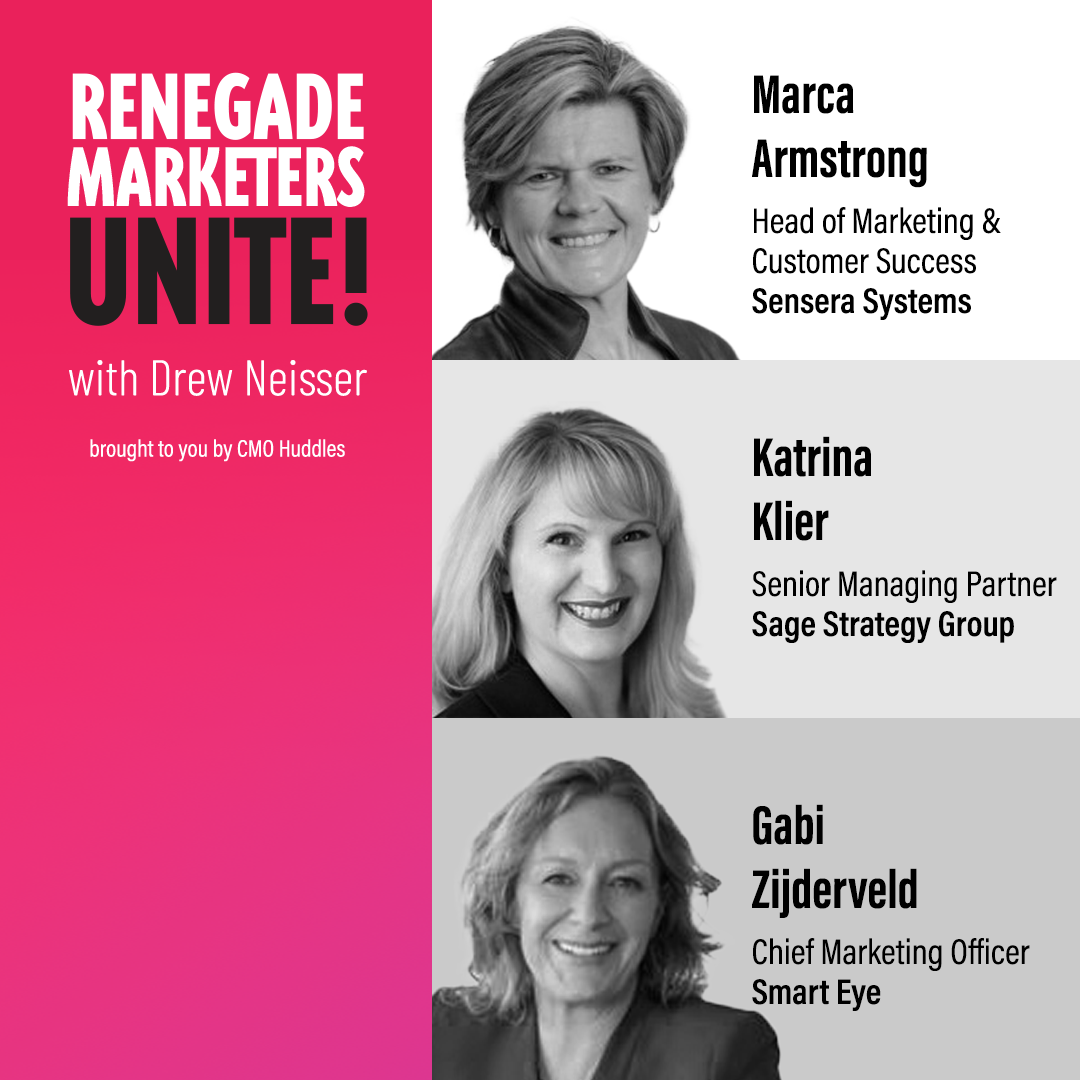
Leadership Strategies in Turbulent Times
A podcast with
Marca Armstrong - Katrina Klier - Gabi Zijderveld
CMOs, Sensera Systems - Sage Strategy Group - Smart Eye
When economic pressures hit, the pressure on CMOs intensifies. The decisions you make as CMO can significantly impact your marketing team’s ability to weather the storm and come out stronger on the other side. But fear not! In this episode, ...read more

Radical Candor: The CMO’s Guide to Fearless Feedback
A podcast with
Kim Scott
Author, Radical Candor
At the heart of transformative leadership lies a powerful concept: Radical Candor. It’s the art of caring personally and challenging directly, a philosophy Kim Scott crafted to help others achieve results collaboratively that you could never achieve alone. For B2B ...read more
Make CMO Life a Little Less Difficult in 2024
A podcast with
Drew Neisser
CEO & Founder, CMO Huddles
An “invisible” B2B recession, budget cuts, and short-termism… it’s not easy being CMO. In this special episode hosted by Julie Livingston on her show, PR Patter, as Drew tackles these timely challenges head on. This episode isn’t just about weathering ...read more
Pipeline Playbooks for Peak Performance
An interview with
Kathie Johnson - Josh Leatherman - Gary Sevounts
CMOs, Sitecore - Service Express - Malwarebytes
January 26, 2024
Staying True to Your B2B Brand Values
An interview with
Matt Preschern - Marshall Poindexter - Joe Cohen
CMOs, NTT Ltd. - OpenEye, Cadence Molecular Sciences - Axis
January 19, 2024
Reel Results: Video Strategies for B2B CMOs
An interview with
Tyler Lessard
VP of Marketing, Vidyard
January 12, 2024
The B2B Customer-Obsessed Growth Engine
An interview with
Lori Wizdo
Vice President, Principal Analyst, Forrester
January 5, 2024
Mastering the Mic: A CMO’s Playbook for Podcast Guesting
An interview with
Rachel Downey
Founder & CEO, Share Your Genius
December 29, 2023
ABM on the Cheap
An interview with
Julie Kaplan - Olga Noha - Julie Feller
CMOs, CareMetx - SplitMetrics - U.S. Legal Support
December 22, 2023
Architect of Influence: The Inaugural CMO’s Impact on B2B Brand
An interview with
Sangeeta Prasad
CMO, Slalom
December 15, 2023
The GenAI Genie: Unbottling Versatile AI Use Cases
An interview with
Nicole Leffer
CMO AI Advisor, A. Catalyst, LLC
December 8, 2023
The First 90 Days: Quick Wins, Curveballs, and Strategic Shifts
An interview with
Jamie Gier - Bernd Leger - Isabelle Papoulias
CMOs, DexCare - Cornerstone OnDemand - BackBox
December 1, 2023
B2B Marketing Greatness: 10 Dares for 2024
An interview with
Drew Neisser
CEO & Founder, CMO Huddles
November 24, 2023
The Long-Game: Connecting B2B Brand to B2B Revenue
An interview with
Kristin Russel - Chandar Pattabhiram - Rashmi Vittal
CMOs, symplr - Coupa Software - Productiv
November 17, 2023
Leveraging LinkedIn for Leading CMOs
An interview with
Beth Granger
CEO, Beth Granger Consulting
November 10, 2023
Cybersecurity for CMOs: Bad Bots, Breaches, Phishing… Oh My!
An interview with
Dan Lowden - Laura MacGregor - Michael Callahan
CMOs, BLACKBIRD.AI - CIS - Salt Security
November 3, 2023
How B2B CMOs Fill Their Funnels
An interview with
Jeff Morgan - Andrés Roselló - Kevin Briody
CMOs, Elements - Cognex - Edmentum
October 27, 2023
Human vs. AI: Surprising Content Test Results
An interview with
Michael Brenner
CEO, Marketing Insider Group
October 20, 2023
Ace the Interview: B2B CMO Edition
An interview with
Jacob Warwick
Founder, ThinkWarwick
October 13, 2023
MarTech Meets AI: Integration Insights
An interview with
Adriana Gil Miner - Chris Willis - Andrew Bennett
CMOs, Iterable - Acrolinx - Smartsheet
October 6, 2023
From Pitch to Practice: Getting Organizational Buy-In for Strategic Initiatives
An interview with
Melanie Marcus - Grant Johnson - Lauren Wagner Boyman
CMOs, Surescripts - Billtrust - KPMG US
September 29, 2023
Drew’s Takeaways: Augmenting CMO Productivity with GenAI
An interview with
Drew Neisser
CEO & Founder, CMO Huddles
September 15, 2023
ICP VIPs: How 3 B2B CMOs Tighten Targets
An interview with
Kaycee Kalpin - Janet Jaiswal - Jan Deahl
CMOs, Premier Inc. - Cloudbeds - Drake Star
September 8, 2023
B2B GTM Shepherds: From Pipeline Dreams to Revenue Reality
An interview with
Bryan Law - Amanda Malko - Sangram Vajre
CMOs, ZoomInfo - G2 - GTM Partners
September 1, 2023
Going Global: An International Marketing Starter Pack
An interview with
Jacques Botbol - Olga Noha - Dean Nicolls
CMOs, Tastewise - SplitMetrics - Jumio Corporation
August 25, 2023
Compassionate CMO Leaders… Unite!
An interview with
Dalia Feldheim
Founder & CEO, Flow Leadership Consulting
August 18, 2023
The B2B Board Management Episode
An interview with
Bernd Leger - Jamie Gier
CMOs, Cornerstone OnDemand - DexCare
August 11, 2023
The Revenue Acceleration Playbook
An interview with
Brent Keltner
President, Winalytics LLC
August 4, 2023
Spearfishing with ABM
An interview with
Laura Beaulieu - Ali McCarthy - Kevin Sellers
CMOs, LeanLaw - Ping Identity
July 28, 2023
A CMO’s Guide to Adopting Account-Based Marketing
An interview with
Charles Groome - Chip Rodgers - Grant Johnson
CMOs, Biz2Credit - WorkSpan - Billtrust
July 21, 2023
So You Want to Lead a Brand Refresh
An interview with
Rashmi Vittal - Bill Strawderman - Julie Feller
CMOs, Productiv - GS1 US - U.S. Legal Support
July 14, 2023
Trust is Human-Led & 11 Other Forrester B2B Summit Takeaways
An interview with
Drew Neisser
CEO & Founder, CMO Huddles
July 7, 2023
Generative AI Tools for B2B Productivity
An interview with
Cathy McPhillips
Chief , Marketing AI Institute
June 30, 2023
Beyond Pipeline: Aligning Marketing with the Business
An interview with
Jamie Gilpin - JD Dillon - Toni Clayton-Hine
CMOs, Sprout Social - Tigo Energy - EY Americas
June 23, 2023
Marketing Metrics that Move the Needle
An interview with
Kevin Seller - Deidre Hudson - Khalid El Khatib
CMOs, Ping Identity - Bloomfire - Stack Overflow
June 16, 2023
From B2B Customers to B2B Advocates
An interview with
Marca Armstrong - Grant Johnson - Tejal Parekh
CMOs, Passport - Billtrust
June 9, 2023
Coaching ChatGPT: Pragmatic AI for B2B Marketers
An interview with
Nicole Leffer
CMO AI Advisor, A. Catalyst, LLC
June 2, 2023
Salient Sales Enablement Solutions
An interview with
Carlos Carvajal - Sara Larsen - Peter Finer
CMOs, Q2 - Wolters Kluwer Health - CyberGRX
May 26, 2023
What B2B CMOs Need to Know about Career Management
An interview with
Erica Seidel
Founder & Executive Recruiter, The Connective Good
May 19, 2023
Strategic B2B Sales Enablement: The 10,000 Foot View
An interview with
Rebecca Stone - Marni Carmichael
CMOs, Cisco Meraki - ImageSource, Inc.
May 12, 2023
Evolving the CMO Dashboard with Forrester
An interview with
Ross Graber
VP, Principal Analyst, Forrester
May 5, 2023
Listen with All Your Heart: Leadership Lessons from my Dad
An interview with
Carl Neisser
Drew's Father,
April 28, 2023
Capitalizing B2B Buying Trends
An interview with
Jon Miller - Allyson Havener
CMOs, Demandbase - TrustRadius
April 21, 2023
Salesforce CMO on Leading Through Turbulence
An interview with
Sarah Franklin
President & CMO, Salesforce
April 14, 2023
Adapting B2B Digital in a Downturn
An interview with
Tom Bianchi - Warren Daniels
CMOs, Acquia - Bynder
April 7, 2023
Engage Employees First – A Deep Dive into Employer Branding
An interview with
Lynne Capozzi - Michelle Boockoff-Bajdek - Deidre Hudson
CMOs, Acquia - Skillsoft
March 24, 2023
The B2B Customer Event Episode
An interview with
Shirley Macbeth - Olga Noha - Marca Armstrong
CMOs, Forrester - SplitMetrics - Passport
March 10, 2023
Digging into Digital Media Spend
An interview with
Ellina Shinnick - Mika Yamamoto - Norman Guadagno
CMOs, HUB International - F5 - Mimecast
March 3, 2023
Bulletproofing Your CMO Career
An interview with
Patricia Romboletti
Founder, Bulletproof Your Career
February 24, 2023
Surprising Routes Around Economic Turbulence
An interview with
Drew Neisser
CEO & Founder, Renegade & CMO Huddles
February 17, 2023
Pump Up the Product-Led Growth!
An interview with
Allyson Havener - Michael Callahan
CMOs, TrustRadius - Acronis
February 10, 2023
Shifting Into Position Post-Acquisition
An interview with
Julie Feller - Isabelle Papoulias - Kristen Russel
CMOs, U.S. Legal Systems - Mediafly - symplr
February 3, 2023
Forrester’s B2B Budget Benchmarks
An interview with
Barbie Mattie - Nick Buck
VP, Principal Analyst, Forrester
January 27, 2023
Taking a Stand as a B2B Brand
An interview with
Joe Cohen
Chief Marketing & Communications Officer, AXIS
January 20, 2023
How to Sell the Selling Power of B2B Brand Strategy
An interview with
Pamela Herrmann - Jamie Gier - Johnny Smith Jr.
CMOs, Ethisphere - Roche Diagnostics
January 13, 2023
What B2B CMOs Need to Know About Web 3.0
An interview with
Shelly Palmer
CEO, The Palmer Group
January 6, 2023
Build Your Dream B2B Marketing Team
An interview with
Melissa Goldberger - James B. Stanton - Jamie Walker
CMOS, Safebreach - Empyrean - Keyfactor
December 30, 2022
Building B2B Brand and Demand in Tandem
An interview with
Amisha Gandhi
SVP, Marketing, Tipalti
December 23, 2022
Recession Proof Your B2B Marketing
An interview with
Joshua Leatherman
CMO, Service Express
December 16, 2022
B2B Brand Strategy Lessons for 2023
An interview with
Drew Neisser
CEO & Founder, Renegade & CMO Huddles
December 9, 2022
B2B Brands: Cut Those Cognitive Calories!
An interview with
Lindsay Pedersen
Brand Strategist & Owner, Ironclad Brand Strategy
December 2, 2022
Branding in the B2B Big-League
An interview with
Rebecca Stone - Peeyush Dubey
CMOs, Cisco Meraki - TheMathCompany
November 25, 2022
Deloitte CMO on Exceptional Employee Engagement
An interview with
Suzanne Kounkel
CMO, Deloitte
November 18, 2022
B2B Marketing Mix-ology
An interview with
Mary Leigh Mackie - Sue Holub - Suzanne Reed
CMOs, AvePoint - OnSolve - LBMC
November 11, 2022
Brent Adamson Unlocks B2B Customer Confidence
An interview with
Brent Adamson
Global Head of Research & Communitites, Ecosystems
November 4, 2022
Awareness is Delicious: B2B Content Recipes
An interview with
Josh Machiz
Partner, Redpoint Ventures
October 28, 2022
B2B Culture Wins Every Time
An interview with
Mandy Dhaliwal - Bhaskar Roy - Julie Kaplan
CMOs, Nutanix - Workato - CareMetx
October 21, 2022
Make Time to Save Time: A CMO Guide to Productivity
An interview with
Kory Kogon
VP of Global Field Development, FranklinCovey
October 14, 2022
B2B Marketers Overcoming The Great Resignation
An interview with
Allison Munro - Adriel Sanchez - Kristin Fornal
CMOs, Vena Solutions - WalkMe - Brand pH LLC
October 7, 2022
Two Drews Get Recession-Proofed!
An interview with
Drew Neisser
CEO & Founder, Renegade & CMO Huddles
September 30, 2022
B2B CMO GTM Strategies with Sangram Vajre
An interview with
Sangram Vajre
Co-Founder, GTM Partners & Terminus
September 23, 2022
The B2B Market Research Episode
An interview with
Denise Vu Broady - Dan Lowden
CMOs, Appian - Human Security
September 16, 2022
SentinelOne CMO on Building a Challenger Brand
An interview with
Daniel Bernard
CMO, SentinelOne
September 9, 2022
Marketing Ops — What B2B CMOs Need to Know
An interview with
Mike McKinnon
VP of Global Revenue Operations, LogRhythm
September 2, 2022
B2B Rebranding: Tips and Tricks
An interview with
Heather Salerno - Marshall Poindexter - Gabi Zijderveld
CMOs, Appcast - OpenEye Scientific - Smart Eye
August 26, 2022
Show Swap Say What!? Alan Hart Interviews Qualcomm CMO
An interview with
Don McGuire
SVP and CMO, Qualcomm
August 12, 2022
B2B World… Meet Purpose-Driven Marketing
An interview with
Peter Neiman - Julia Goebel
CMO, Amalgamated Bank - symplr
August 5, 2022
Cognizant CMO on Driving B2B Sports Sponsorships
An interview with
Gaurav Chand
EVP & CMO, Cognizant
July 29, 2022
300 Episodes Later: An Ode to Top CMOs
An interview with
Renegade Marketers Unite Top 10
B2B CMOs, Renegade & CMO Huddles
July 22, 2022
How to Play the B2B Thought Leadership Long Game
An interview with
Peter Winick
Founder and CEO, Thought Leadership Leverage
July 15, 2022
What the Heck is Growth Marketing!?
An interview with
Jennifer Houston - Gary Sevounts - Katherine Post Calvert
CMOs, D-Wave Systems - Socure - PagerDuty
July 1, 2022
What B2B CMOs Need to Know About ABM
An interview with
Jon Russo
Founder & CMO, B2B Fusion
June 17, 2022
All Roads Lead to Measurement: How to Future-Proof B2B Marketing
An interview with
Chris Willis - Tara Robertson Karl Van den Bergh
CMOs, Acrolinx - Teamwork - Gigamon
June 10, 2022
Deep Diving into DigitalOcean’s B2B Brand Evolution
An interview with
Carly Brantz
CMO, DigitalOcean
June 3, 2022
B2B Innovation is a Learned Muscle
An interview with
Carla Johnson
Author, "RE:Think Innovation"
May 27, 2022
How Are Your New Year’s Resolutions Going?
An interview with
Katrina Klier - Kevin Briody - Mika Yamamoto
CMOs, PROS - Edmentum - F5
May 20, 2022
Two Drews Tackle Top CMO Challenges
An interview with
Drew Neisser
Founder & CEO, Renegade & CMO Huddles
May 13, 2022
Auth0 Marketing VP on Developing Developer Love
An interview with
Kerry Ok
SVP of Marketing, Auth0
May 6, 2022
Forrester’s Ross Graber on Perfecting the CMO Dashboard
An interview with
Ross Graber
VP and Principal Analyst, Forrester
April 29, 2022
3 Savvy CMOs Share SaaS Marketing Secrets
An interview with
Ali McCarthy - Grant Johnson - Andrew Hally
CMOs, Skience - Emburse - Markforged
April 22, 2022
What B2B CMOs Need to Know About Sales Enablement
An interview with
Andy Paul
Author, Podcaster, Speaker, Sell Without Selling Out
April 8, 2022
The Thrill of Being a B2B Startup CMO
An interview with
Allyson Havener - Ajay Khanna
CMOs, TrustRadius - Explorium
April 1, 2022
Flipping the Funnel with Klaviyo CMO
An interview with
Kady Srinivasan
SVP, Global Head of Marketing, Klaviyo
March 25, 2022
CFO Panel: Investing in the CMO Role
An interview with
Chris Andersen - Nicole Anasenes - John Evarts
CFOs, Acquia - Ansys - Mediafly
March 18, 2022
Recruit, Retain, Rejoice: Upping Employee Experience
An interview with
Caroline Tien-Spalding - Michael Collins - David Kirven
CMOs, Aptology - CFA Institute - Reltio
March 11, 2022
A B2B CMO Asks, Drew Answers
An interview with
Drew Neisser
CEO & Founder, Renegade & CMO Huddles
March 4, 2022
B2B CMOs Need to Know About CX
An interview with
Dan Gingiss
CEO, The Experience Maker, LLC
February 25, 2022
VMware CMO on Big-Time B2B Transformation
An interview with
Carol Carpenter
CMO, VMware
February 18, 2022
B2B Brands, Want to Grow? Go IPO
An interview with
Noreen Allen - Kevin Spurway
CMOs, Bandwidth - Similarweb
February 11, 2022
CEO Panel: Celebrating the CMO Role
An interview with
David Friend - Rana el Kaliouby - Larry English
CEOs, Wasabi - SmartEye - Centric Consulting
February 3, 2022
Calling All Compelling Content!
An interview with
Jamie Gier - Suzanne Reed - Heidi Bullock
CMOs, Ceros - LBMC - Tealium
January 28, 2022
B2B Renegade: Meet David Koerner, 75F Marketing VP
An interview with
David Koerner
VP Global Marketing, 75F
January 21, 2022
Honing Your Decision-Making Chops for 2022
An interview with
Jennifer Davis - Jon Miller - Kimberly Whitler
CMOs - Professor, LEARFIELD - Demandbase - UVA Darden School of Business
January 14, 2022
What CMOs Need to Know About DEI
An interview with
Cassandra Blackburn - Cory Haynes - Elisa Vincent
Director of DE&I - VP Financial Services GTM - VP Global Talent Enablement, Sprout Social - Salesforce - Skillsoft
January 7, 2022
2022: The Year We Dynamite Digital
An interview with
Shirley Macbeth - Paul Stoddart - Amanda Carty
CMO, Forrester - Epicor - Diligent
December 31, 2021
Renegade Wrapped: 2021 in Review
An interview with
Drew Neisser
CEO & Founder, Renegade & CMO Huddles
December 24, 2021
LTI CMO: The Shoshin of Brand, Demand, and Expand
An interview with
Peeyush Dubey
CMO, LTI
December 17, 2021
A Play-By-Play for the First 90 Days
An interview with
Julie Kaplan - Dave Bornmann - Johnny Smith, Jr.
Marketing Chiefs, CareMetx - Association Analytics - Encompass Health
December 10, 2021
Analyzing B2B Analyst Relations
An interview with
Isabelle Papoulias - Carlos Carvajal - Narine Galstian
CMOs, Mediafly - Q2 - SADA
December 3, 2021
Univar Solutions Marketing Chief on the Science of Service
An interview with
Rob Whitney
VP Global Marketing, Univar Solutions
November 26, 2021
Putting the Chief in Chief Marketing Officer
An interview with
Amy Messano - Bill Strawderman - Toni Clayton-Hine
CMOs, Altair - GS1 - EY
November 19, 2021
Gigamon CMO on Engineering Giga-Growth
An interview with
Karl Van den Bergh
CMO, Gigamon
November 12, 2021
The B2B CMO of the Future?
An interview with
Brand Starr - Rolly Keenan - Peter Finter,
COO - CRO - CMO, Tegrita - Tegrita - CyberGRX
October 29, 2021
How to Serve Your B2B Customers When They Need You
An interview with
Cary Bainbridge
CMO, ABM Industries
October 22, 2021
Renegade Marketers…Unite!
An interview with
Drew Neisser
Founder & CEO, Renegade & CMO Huddles
October 15, 2021
B2B Leadership in a Hybrid World
An interview with
Ellina Shinnick - Khalid El Khatib - Mike Brannan
CMO - SVP Marketing - VP Marketing, HUB International - Stack Overflow - Centric Consulting
October 8, 2021
B2B Branding IS Rocket Science
An interview with
Jennifer Houston
CMO, D-Wave Systems
September 24, 2021
B2B Branding on a Budget
An interview with
Chi-Chi Liang - JD Dillon - Luanne Tierney
CMOs, Alloy - Tigo Energy - Betterworks
September 17, 2021
Transforming B2B Customers into Raving Fans
An interview with
Marshall Poindexter - Jakki Geiger - Simon Schaffer-Goldman
CMOs, OpenEye Scientific - Reltio - Case Paper
September 3, 2021
B2B Brand Takes Off with Virtual Ducks Aligned
An interview with
Lauren St. Amand
Sr. Director, Global Marketing, Duck Creek Technologies
August 27, 2021
B2B Partnership Marketing for the Win!
An interview with
Denise Vu Broady - Michael Welts - Melissa Sargeant
CMOs, Appian - Wasabi - Litmus
August 20, 2021
Top 3 Challenges for B2B CMOs in 2022
An interview with
Drew Neisser
Founder & CEO, Renegade & CMO Huddles
August 6, 2021
B2B Brand Consolidation Done Right
An interview with
Grant Johnson - Kevin Ruane - Joshua Leatherman
CMOs, Emburse - Precisely - Service Express
July 30, 2021
Sweetening Honeywell’s Brand Promise
An interview with
Joe Toubes
VP Global Marketing, Honeywell
July 16, 2021
Keeping Employees Front and Center
An interview with
Caroline Tien-Spalding - Jeff Perkins - Tanika Vital-Pringle
CMO - CMO - Founder, Aptology - ParkMobile - Brand Rebirth
July 9, 2021
Perfecting B2B Marketing Metrics
An interview with
Rebecca Stone - Chandar Pattabhiram - Katie Risch
CMOs, Cisco Meraki - Coupa - Centro
July 2, 2021
Oh FUD, Say Goodbye to Fear-Based Marketing
An interview with
Kevin Sellers - Dan Lowden - Armen Najarian
CMOs, Ping Identity - HUMAN - RSA Security
June 18, 2021
So You Want to Create a Category?
An interview with
CMO Bernd Leger - CMO Gabi Zijderveld - VP Marketing Chip Rodgers
, Mimecast - Affectiva - WorkSpan
June 11, 2021
Forrester CMO on Practicing What You Preach
An interview with
Shirley Macbeth
CMO, Forrester
June 4, 2021
Structuring the Ideal B2B Marketing Department
An interview with
Kathie Johnson - Anna Griffin - Melanie Marcus
CMOs, Talkdesk - Smartsheet - Surescripts
May 28, 2021
The B2B Vertical Marketing Playbook
An interview with
VP and Head of Marketing Ian Howells - CMO Lynne Capozzi
CMO & CXO Mika Yamamoto, Sage Intacct - Acquia - F5
May 14, 2021
Brewing a Simple B2B Brand Story with Tealium
An interview with
Heidi Bullock
CMO, Tealium
April 23, 2021
B2B Marketers Marketing to Marketers
An interview with
CMO Norman Guadagno - CMO Jamie Gilpin - CMO Eric Eden
, Acoustic - Sprout Social - Postclick
April 16, 2021
One Marketer’s Change Management Playbook
An interview with
Johnny Smith Jr.
VP of Marketing, Encompass Health
April 9, 2021
Finding the Perfect CMO Gig
An interview with
CMO Patti Newcomer-Small - CMO Sara Larsen - Brandon Palmer, Head of Client Strategy
, FMG Suite - Wolters Kluwer - Discover Podium
March 22, 2021
B2B Virtual Events Done Better
An interview with
CMO Mandy Dhaliwal - CMO Paige O'Neill - CEO David Fischette
, Dell Boomi - Sitecore - Go West Creative
February 15, 2021
Pandemic Pivot: Another B2B Success Story
An interview with
Jennifer Stagnaro
CMO, HackerRank
February 8, 2021
Marrying B2B Brand to Customer Care
An interview with
Dhanusha Sivajee
CMO, The Knot Worldwide
February 1, 2021
How Remarkable Content and AI Can Enable B2B Sales
An interview with
William Tyree
CMO, ringDNA
January 25, 2021
How to Get More Women in the C-Suite
An interview with
CMO Michelle Boockoff-Bajdeck, CMO Cindy Zhou, & Charlene Li
, Skillsoft, LogRhythm, Altimeter
January 18, 2021
Salesforce CMO on the Power of Purpose
An interview with
Stephanie Buscemi
CMO, Salesforce
January 11, 2021
A Make-A-Wish Holiday Story
An interview with
Keane & Shaun Veran, Co-Founders
Gloria Crockett, President and CEO, OURA & Make-A-Wish OCIE
December 28, 2020
Powering 2021 B2B Marketing with Conversational AI
An interview with
Rashmi Vittal, John McCrea
CMO, Conversica and Amplify.ai
December 21, 2020
Awareness Matters: How One B2B CMO Cut Through
An interview with
Kevin Sellers
CMO, Ping Identity
December 14, 2020
The CMO’s Silver Linings Playbook
An interview with
Drew Neisser
Founder & CEO, Renegade
November 30, 2020
Litmus Testing Your Email Marketing Strategy
An interview with
Melissa Sargeant
CMO, Litmus
November 23, 2020
How CMOs Can Hire Smarter in 2021
An interview with
Caroline Tien-Spalding
CMO, Aptology
November 16, 2020
Building a Marketing-Driven B2B Organization
An interview with
Paz Macdonald
CMO, Software AG
October 5, 2020
How B2B CMOs Can Prepare for 2021
An interview with
Brent Adamson
Distinguished Vice President, Gartner
September 28, 2020
Abundant Generosity Begets Abundant B2B Sales
An interview with
Heather Zynczak
CMO, Pluralsight
August 31, 2020
One CMO’s System for Aligning Sales and Marketing
An interview with
Rashmi Vittal
CMO, Conversica
August 19, 2020
The Original Renegade Marketer: Dr. Benjamin Franklin
An interview with
Benjamin Franklin
Founding Father, United States of America
August 19, 2020
Here’s what you missed — Episode 199: Today’s Resilience is Tomorrow’s Excellence
An interview with
Chandar Pattabhiram
CMO, Coupa
August 19, 2020
Raising the Bar with Virtual Events
An interview with
Michelle Boockoff-Bajdek
CMO, Skillsoft
August 19, 2020
Generating Demand with Content Marketing
An interview with
Richard Jones
CMO, Cheetah Digital
August 19, 2020
Collaborating Creatively in the Zoom Economy
An interview with
Anna Griffin
CMO, Smartsheet
August 19, 2020
B2B Values to Solve Any Marketing Challenge
An interview with
Peter Finter
SVP & CMO, Couchbase
August 19, 2020
The Logistics of Purpose-Driven Marketing
An interview with
Christina Bottis
CMO, Coyote Logistics
August 19, 2020
How RSA’s CMO Navigated Stormy Waters
An interview with
Holly Rollo
CMO & SVP Transformation, RSA Security
August 19, 2020
Why B2B Storytelling (Still) Matters
An interview with
David Altschul
Founder, Character LLC
June 15, 2020
Rebranding in a Pandemic – An Amazing CMO Story
An interview with
Julia Fitzgerald
Chief Marketing Officer, American Lung Association
June 15, 2020
What a CEO Wants in Their CMO
An interview with
David Friend, Michael Welts
CEO & CMO, Wasabi
June 15, 2020
Why Purpose Matters Even More in the Post-COVID Era
An interview with
Ed Rusch
Head of Global Marketing, Command Alkon
June 15, 2020
How Talkdesk Led the “Business Continuity” Curve
An interview with
Kathie Johnson
Chief Marketing Officer, Talkdesk
June 15, 2020
Collaboration in a #WFH World
An interview with
Khalid El Khatib
VP of Marketing, Stack Overflow
June 15, 2020
CMO Mathematics with Service Express
An interview with
Joshua Leatherman
Chief Marketing Officer, Service Express
June 15, 2020
Why Dell Boomi is Booming
An interview with
Mandy Dhaliwal
Chief Marketing Officer, Dell Boomi
June 15, 2020
A CMO’s Guide to Cultivating Customer Champions
An interview with
Chip Rodgers
Chief Marketing Officer, WorkSpan
June 15, 2020
Keep Calm and Acquisition On
An interview with
Isabelle Papoulias
Chief Marketing Officer, Mediafly
June 15, 2020
Digging Deep into Corporate Purpose
An interview with
Dov Baron
Keynote Speaker & Strategist, fullmontyleadership.com
June 15, 2020
Finding Your Brand’s North Star
An interview with
Dan Lowden
Chief Marketing Officer, White Ops
June 15, 2020
Turning Obstacles into Opportunity
An interview with
Karen Jones
Executive VP & Chief Marketing Officer, Ryder
June 15, 2020
Effective B2B Brand Strategy: The Appetizer Version
An interview with
Drew Neisser
CEO & Co-Founder, Renegade
June 15, 2020
Unlocking Employee Optimism
An interview with
Jeff Perkins
Chief Marketing Officer, ParkMobile
June 15, 2020
Scaling “Scrappy” and Growing Your Audience
An interview with
Sara Varni
Chief Marketing Officer, Twilio
June 15, 2020
Small Tests, Giant Leaps
An interview with
Carl Tsukahara
Chief Marketing Officer, Optimizely
June 15, 2020
How Matrixx Grew From a B2B Startup to a Challenger Brand
An interview with
Jennifer Kyriakakis
Founder & VP of Marketing, Matrixx Software
June 15, 2020
Big, Dirty, Greasy Marketing With Purple Wave
An interview with
Dave Brotton
VP of Marketing, Purple Wave
June 15, 2020
B2B Marketers Talking Turkey in Taxis
An interview with
Jennifer Renaud
Vice President, Vertiv
June 15, 2020
The Art of Changing Your Brand Name
An interview with
Dave Deasy
Chief Marketing Officer, TrustArc
June 15, 2020
“Feline” Groovy – Building Nala Cat’s 4.3 Million Follower Brand
An interview with
Nala Cat
Chief Feline Officer, NalaCat.com
June 15, 2020
The True Art of Bold B2B Branding as a Challenger Brand
An interview with
David Thompson
Chief Marketing Officer, Freshworks
June 15, 2020
Hitting the Books: Smartling’s Story-Based Marketing
An interview with
Jack Welde
Founder & CEO, Smartling
June 10, 2020
Canna-tech: CRM for a “Budding” Industry
An interview with
Jeffrey Harris
Co-Founder & CEO, Springbig
June 8, 2020
Why Avid is Powering Greater Creators
An interview with
Melissa Puls
SVP & CMO , Avid
November 28, 2019
From Shepherding to CMOing: How Simon Schaffer-Goldman Helps Case Paper Cut Through
An interview with
Simon Schaffer-Goldman
CMO & VP of Business Development , Case Paper
November 21, 2019
Guidelines for Effective CMOs: A Conversation With 6 B2B Marketing Leaders
An interview with
Kim Whitler
Asst. Professor of Business Administration, Darden School of Business Administration
November 14, 2019
Why CMO Troubles Start with the CEO
An interview with
Kim Whitler
Asst. Professor of Business Administration, Darden School of Business Administration
November 7, 2019
Mild to Wild: Examining Intuit’s Bold Culture
An interview with
Mary-Ann Somers
SVP & Chief Growth Officer , Intuit
October 24, 2019
What B2B Marketers Can Learn from Drinking (and Its Marketing)
An interview with
Corneliu Vilsan
Director of Marketing Operations EMEA & LATAM, Pernod Ricard
October 17, 2019
Spurring Company & Category Growth at Brightcove
An interview with
Sara Larsen
CMO, Brightcove
October 10, 2019
Making Leadership Connections (in Foreign Places)
An interview with
Jan Huckfeldt
Advisory Board Chairman, Ledger
September 26, 2019
Building a Culture Around an “Open” Purpose
An interview with
Tim Yeaton
EVP & CMO, Red Hat
September 12, 2019
Catching Waves and Going Carbon Neutral with the World Surf League
An interview with
Sophie Goldschmidt
CEO, World Surf League
September 5, 2019
B2B Brands Can Beat “Boring” and Bad Bounce Rates
An interview with
Ryan Urban
CEO & Co-Founder, BounceX
August 8, 2019
Digital Superheroes: How Agari Makes a Bold Mission Real
An interview with
Armen Najarian
Chief Marketing Officer, Agari
July 25, 2019
Marketing Adobe: How Ann Lewnes Plants Flags and Inspires
An interview with
Ann Lewnes
EVP & CMO, Adobe
July 18, 2019
Post-Sale Marketing and Keeping the Customer Smiling
An interview with
Kevin Spurway
SVP, Appian
July 11, 2019
Take It Slow — How Research Can Supercharge Your B2B Marketing
An interview with
Dawn Colossi
Chief Marketing Officer, FocusVision
July 4, 2019
How the Control Freaks at UTAK Are Cutting Through
An interview with
Matt Kopp
Chief Marketing Officer, UTAK
June 27, 2019
How to Build a Lean, Mean Lead-Gen Machine
An interview with
Rebecca Stone
Vice President, Marketing, LiveRamp
June 20, 2019
How SAP Hopes to Make the World Run Better
An interview with
Alicia Tillman
Chief Marketing Officer, SAP
June 6, 2019
Sharing is Caring — Turning Employees Into Advocates
An interview with
Glenn Gaudet
Chief Marketing Officer, GaggleAmp
May 30, 2019
The Power of a Purpose-Driven Story Statement
An interview with
Drew Neisser
CEO & Co-Founder, Renegade
May 23, 2019
The Keys to Effective, Purpose-Driven Marketing
An interview with
Ben Stuart
Chief Marketing Officer, Bank of the West
May 16, 2019
Brand Tracking and B2B Demand Gen with Gusto
An interview with
Tolithia Kornweibel
Chief Marketing Officer, Gusto
May 9, 2019
Don’t Charge It, Brex It
An interview with
Michael Tannenbaum & Sam Blonde
CMO/CFO & Chief Sales Officer , Brex
May 2, 2019
How Emerson’s Long-Time CMO Reduces Complexity
An interview with
Kathy Button Bell
SVP & CMO, Emerson
April 25, 2019
The Keys to Effective, Purpose-Driven Marketing
April 19, 2019
Chatbots: Keep It Human With Your Bots
An interview with
Dave Gerhardt
Vice President of Marketing, Drift
April 18, 2019
Buying is Broken — Here’s What We Can Do
An interview with
Brent Adamson
Distinguished Vice President, Gartner
April 4, 2019
F Content Marketing – Don’t Just Create Content, but Leverage It!
An interview with
Randy Frisch
President & Chief Marketing Officer, Uberflip
March 28, 2019
Eating At Their Own Restaurant: How SurveyMonkey Powers The Curious Internally and Externally
An interview with
Leela Srinivasan
Chief Marketing Officer, SurveyMonkey
March 21, 2019
Not Your Grandma’s Banking – How to Market Banks When Everything is Going Digital
An interview with
Paul Kadin & Sarah Welch -
Senior Advisor & Director, Novantas
March 14, 2019
Be the Big Fish in Many Small Ponds
An interview with
Ian Howells
Vice President and Head of Marketing, Sage Intacct
March 7, 2019
Spotting Terrorist Plots and Rental Car Scratches: How This Startup Stays Flexible
An interview with
Ohad Hever & David Oren,
COO & CSO, UVeye
February 28, 2019
A Former CMO-Turned-CEO’s Approach to Strategic Marketing
An interview with
Rob Chen
Chief Executive Officer, Brightlink
February 22, 2019
The Need to Fail, Cars That See, and Defining Market Needs
An interview with
Louay Eldada
CEO & Co-founder, Quanergy
February 14, 2019
Renegade Thinkers Unite is moving!
An interview with
Bob Armour
Chief Marketing Officer, Jellyvision
January 23, 2019
Copper, Blue + Pink: An Artful Name Change / Rebrand
An interview with
Morgan Norman
Chief Marketing Officer, Copper
January 10, 2019
Recession Proof Your B2B Marketing
An interview with
Drew Neisser
Founder & CEO, Renegade
January 3, 2019
Using Your Personal Brand to Help Build Your Company’s Brand
An interview with
Dux Raymond Sy
Chief Marketing Officer, AvePoint
December 27, 2018
Deloitte’s Global CMO Shares Her 4 M’s for B2B Marketers
An interview with
Diana O'Brien
Chief Marketing Officer, Deloitte
December 20, 2018
Here’s How to Make Your Marketing Metrics Work For You
An interview with
Brian Kardon
Chief Marketing Officer, Fuze
December 13, 2018
How Coveo’s CMO is ‘Making Business Personal’ with Account-Based Marketing
An interview with
Mark Floisand
Chief Marketing Officer, Coveo
December 6, 2018
How Aetna’s Brand Transformation Teaches a Lesson in Storytelling Marketing
An interview with
David Edelman
Chief Marketing Officer, Aetna
November 29, 2018
The 2019 CES Preview – Everything B2B Businesses Need to Know
An interview with
Shelly Palmer
Founder and CEO, The Palmer Group
November 22, 2018
Creating the Category — Affectiva and Emotional AI
An interview with
Gabi Zijderveld
Chief Marketing Officer, Affectiva
November 15, 2018
“Fearless” Marketing and the Power of Storytelling
An interview with
Stephen Tisdalle
Chief Marketing Officer, State Street Global Advisors
November 8, 2018
How to Build Customer Loyalty By Understanding Your Company’s Data
An interview with
Dani Cushion
Chief Marketing Officer, Cardlytics
November 1, 2018
The Key to Achieving Sales and Marketing Alignment in B2B
An interview with
Meagen Eisenberg
Chief Marketing Officer, MongoDB
October 25, 2018
Your Next Word of Mouth Marketing Strategy: the Talk Trigger
An interview with
Jay Baer
Entrepreneur and Co-Author, "Talk Triggers"
October 18, 2018
Marketing for Non-profits: Telling the Story and Measuring Brand Awareness
An interview with
Catherine Davis
Chief Marketing and Communications Officer, Feeding America
October 11, 2018
Thoughts on Leadership, Accountability, and Building a Network That Spans a Lifetime
An interview with
Carl Neisser
Drew's Father,
October 4, 2018
The Role of a CMO in the Future of Marketing Leadership
An interview with
Greg Welch
Senior Partner, Spencer Stuart
September 27, 2018
Using Review Websites as Your New Lead Generation Strategy
An interview with
Claire Alexander
General Manager, Capterra
September 20, 2018
Perfecting the Art of People Marketing
An interview with
Jeanniey Mullen
Global Chief Marketing Officer, Mercer
September 13, 2018
Interview Questions that Build Better Marketing Teams
An interview with
Kipp Bodnar
Chief Marketing Officer, HubSpot
September 6, 2018
How Monster’s CMO is Revitalizing the Brand
An interview with
Jonathan Beamer
Chief Marketing Officer, Monster
August 30, 2018
Advice for CMOs in Their First 100 Days
An interview with
Paige O'Neill
Chief Marketing Officer, Sitecore
August 23, 2018
Why ABM is a Must Have for B2B Marketers
An interview with
Peter Isaacson
Chief Marketing Officer, Demandbase
August 16, 2018
Simplicity + Side Hustle = CMO Success
An interview with
Margaret Molloy
Global Chief Marketing Officer, Siegel+Gale
August 9, 2018
Why a Digital Brand Relies on Outdoor for Growth
An interview with
Janine Pelosi
Head of Marketing, Zoom
August 2, 2018
You Need to Blow Up Your Approach to B2B Marketing
An interview with
Brent Adamson
Principal Executive Advisor, Gartner
July 26, 2018
Putting the B2B Buyer First and Understanding Their Purchase Journey, Part 1
An interview with
Brent Adamson
Principle Executive Advisor, Gartner
July 19, 2018
Build a Better Brand Narrative and Create Apps People Actually Want to Use
An interview with
Barry Nolan
Chief Marketing Officer, Swrve
July 12, 2018
Marketing to Audiences 50+ and Future Marketing Trends, Live from PSFK Part 2
An interview with
David Stewart and Devon Powers
,
July 9, 2018
3 Strategies to Build a Quality Brand, Live from PSFK Part 1
An interview with
Jordan Schenck and Amber Case
,
July 5, 2018
Race Cars on a Cruise Ship? Surprises Abound in Travel Marketing
An interview with
Meg Lee
Chief Marketing Officer and Senior Vice President, Norwegian Cruise Line
June 28, 2018
Why An Account Based Marketing Strategy in B2B is Successful
An interview with
Jon Miller
CEO and Co-founder, Engagio
June 21, 2018
Here’s Why Your Brand Must Deliver on a Marketing Promise
An interview with
Jennifer Deutsch
Chief Marketing Officer, Park Place Technologies
June 14, 2018
How Braze Mastered the Art of the Rebrand
An interview with
Marissa Aydlett
Senior Vice President of Marketing, Braze (formerly Appboy)
June 7, 2018
The Keys to Building Brand Trust and a Customer-Centric Business
An interview with
Simon Mulcahy
Chief Marketing Officer, Salesforce
May 31, 2018
The Art of Storytelling
May 24, 2018
Discover the Funny, Creative Culture Behind the Success at Big Ass Fans
An interview with
Alex Reed
Global Marketing Director, Big Ass Fans
May 17, 2018
HealthSparq is Redefining Transparency in Healthcare Through Bringing People Together
An interview with
Burt Rosen
Chief Marketing Officer, HealthSparq
May 10, 2018
Top 4 Best Practices for Creating the Best Marketing Organization Structure, Learned from Mindtree’s CMO
An interview with
Paul Gottsegen
Executive VP and Chief Marketing Officer, Mindtree
May 3, 2018
Discover How Lucidchart is Mastering the Art of Viral Marketing Campaigns
An interview with
Nathan Rawlins
Chief Marketing Officer, Lucid Software
April 26, 2018
The Best Practices for Bold Marketing Strategies, Learned from Marketo’s CMO
An interview with
Sarah Kennedy
Chief Marketing Officer, Marketo
April 19, 2018
How Dropbox is Channeling Global Creative Energy Through a Bold Rebranding Effort
An interview with
Carolyn Feinstein
Chief Marketing Officer, Dropbox
April 12, 2018
MRP CMO Explains Why Predictive Analytics in Marketing Will Revolutionize the B2B Industry
An interview with
James Regan
Chief Marketing Officer, Market Resource Partners
April 5, 2018
Best Strategies to Improve Your Marketing Technology Stack
An interview with
Eric Eden
Chief Marketing Officer, Receipt Bank
April 1, 2018
Using a Refined Marketing Technology Stack as a Revenue Generator
An interview with
Eric Eden
Chief Marketing Officer, Receipt Bank
March 29, 2018
The Prophet Way of Utilizing Brand Storytelling to Engage With Audiences
An interview with
David Aaker
Vice Chairman, Prophet
March 22, 2018
How Arrow Electronics Reinvented Storytelling Marketing and the Importance of Taking Risks
An interview with
Rich Kylberg
V.P. of Corporate Marketing and Communication, Arrow
March 15, 2018
Provenir’s Marketing Risks and Their Path Towards In-House Communication Distribution
An interview with
Adi Bachar-Reske
Global Head of Marketing, Provenir
March 8, 2018
How DocuSign’s CMO Developed a Marketing Vision
An interview with
Scott Olrich
Chief Strategy and Marketing Officer, DocuSign
March 1, 2018
Driving the Future of Banking Technology Through a Massive Merger
An interview with
Martin Häring
CMO, Finastra
February 22, 2018
The Ups and Downs of Xerox’s Universal Awareness and Shifting Your Brand Perception
An interview with
Toni Clayton-Hine
CMO, Xerox
February 15, 2018
How Looker is Enhancing Marketing Data Analytics Through Organization and Face-to-Face Communication
An interview with
Jen Grant
CMO, Looker
February 8, 2018
Marketing Trends from The CMO Survey and Reigniting Your Passion for Marketing
An interview with
Christine Moorman
Senior Professor of Marketing, Fuqua School of Business
February 1, 2018
Effective Verticalization Through the ‘Jive’ Way, and Why Engineers Make Great CMOs
An interview with
Matt Peterson
CMO and Co-Founder, Jive Communications
January 25, 2018
Going Beyond Marketing Through Social Media and Listening to Customer Voice
An interview with
Penny Wilson
CMO, Hootsuite
January 18, 2018
How to Reach Your Zone of Focus and the Top Marketing Trends for 2018
An interview with
Peter Shankman
Author, Entrepreneur, Public Speaker
January 11, 2018
Incorporating Listening into Social Marketing for Increased Customer Connections
An interview with
Paige Leidig
Chief Marketing Officer, NetBase Solutions
January 4, 2018
Brand Building For Company Differentiation and Workplace Fulfillment
An interview with
Juliette Rizkallah
Chief Marketing Officer, SailPoint
December 28, 2017
Improving Customer Satisfaction Through Enhanced Marketing Techniques
An interview with
Aaron Clifford
Senior Vice President of Marketing, Binary Fountain
December 21, 2017
Social Marketing Campaigns: Engagement Matters More Than Publication
An interview with
Kevan Lee
Director of Marketing, Buffer
December 14, 2017
Courage: Why Any CMO Job Description Is Incomplete Without It
An interview with
Kristi Maynor
Head of the U.S. CMO Practice, Egon Zehnder
December 7, 2017
Story-Driven Content Marketing That Drives Leads
An interview with
Connie O'Brien
CMO, Tungsten Network
November 30, 2017
The Power of Crystal Clear Positioning to Turnaround Your Brand
An interview with
Doug Zarkin
CMO, Pearle Vision
November 17, 2017
Special 50th Episode: Lessons from 200+ CMOs
An interview with
Drew Neisser
Founder and CEO, Renegade LLC
November 12, 2017
The Intersection of Marketing & Storytelling
An interview with
Chris Bohjalian
Bestselling, Award-Winning Author, ChrisBohjalian.com
November 9, 2017
If Marketing is Storytelling Then Learn from a NYT #1 Bestseller
An interview with
Chris Bohjalian
Bestselling novelist, chrisbohjalian.com
November 3, 2017
Diversity Matters for Marketers – Not Just HR
An interview with
Jennifer Brown
Founder, president, and CEO, Jennifer Brown Consulting
October 29, 2017
Building Your CEO Relationship
An interview with
Alan Trefler
Founder and CEO, Pegasystems
October 22, 2017
Turning Your Blog or Podcast into a Lead Generation Machine
An interview with
Dorie Clark
Adjunct professor, Duke University’s Fuqua School of Business
October 15, 2017
Tuning into a Flexible Media Approach
An interview with
Peter Weingard
Vice President and CMO, New York Public Radio
October 8, 2017
Why Marketers Need to Think About Cyber Security — Now!
An interview with
Norman Guadagno
Senior Vice President of Marketing, Carbonite
September 19, 2017
Supersizing your Customer Service Techniques
An interview with
Dan Gingiss
Senior Director of Global Social Media, McDonald's
September 17, 2017
Drilling for Brand Loyalty
An interview with
Dan Little
Head of North American Marketing, Shell Oil Retail
September 10, 2017
Moving from Storytelling to Story Living Through VR
An interview with
Abigail Posner
Head of Strategic Planning, Google
September 4, 2017
To Boldly Go Where No Marketer Has Gone Before
An interview with
Trip Hunter
CEO, Silicon Valley ComicCon
August 27, 2017
The Ingredients to KFC’s New VR Recipe
An interview with
George Felix
Director of Advertising, KFC
August 24, 2017
Transforming into a Design-Led CMO
An interview with
Jerome Nadel
Senior Vice President and CMO, Rambus
August 20, 2017
The Power of Storytelling
An interview with
Manny Rodriguez
Chief Marketing and Experience Officer, UCHealth
August 19, 2017
How a Global Brand Integrated Its Marketing Strategy
An interview with
Grant Johnson
CMO, Kofax
July 30, 2017
Exercises to Improve your Marketing Fitness
An interview with
Coss Marte
Founder and CEO, ConBody
July 23, 2017
How Mars Makes Content the Cat’s Meow
An interview with
Rob Rakowitz
Global Director of Media, Mars
July 16, 2017
Road-Tested Tips for Driving a Marketing Department
An interview with
Ann Davids
Senior Vice President and CMO, Direct General Insurance Company
July 9, 2017
Bank on a Unique Brand Image
An interview with
Suzanne Copeland
Former CMO, Sterling National Bank
July 2, 2017
The Recipe for Marketing Success + Chuck Roast
An interview with
Jon Ferrara
Founder and CEO, Nimble
June 27, 2017
Marketing Your Business without Paid Media
An interview with
Jon Ferrara
Founder and CEO, Nimble
June 25, 2017
How BNY Mellon Marketing Sings with Hamilton
An interview with
Aniko DeLaney
Global Head of Corporate Marketing, BNY Mellon
June 18, 2017
How Cirque Du Soleil Soared Above Vegas
An interview with
Alma Derricks
VP of Sales & Marketing (former), Cirque du Soleil
June 11, 2017
The Future of CRM + AI (Live from PegaWorld)
An interview with
Jeff Nicholson
VP of Product Marketing, Pegasystems
June 8, 2017
Transformational B2B Marketing — The Modern Software Factory
An interview with
Lauren Flaherty
CMO, CA Technologies
June 2, 2017
Inside Story on Marketing the New York Times
An interview with
Meredith Kopit Levien
CRO, The New York Times
May 26, 2017
Engaged Employees Beget Better Marketing
An interview with
Patti Newcomer-Simmons
Vice President of Marketing, Intuit
May 13, 2017
Building a World Class Brand on a Shoestring Budget
An interview with
Dara Royer
Chief Development and Marketing Officer, Mercy Corps
May 6, 2017
Marketing’s Torrid Trio: Storytelling, Data & Tech
An interview with
Mayur Gupta
Global Vice President for Growth and Marketing, Spotify
April 29, 2017
3 Keys to Creativity
An interview with
Larry Robertson
Creativity Expert, Founder, Lighthouse Consulting
April 23, 2017
Thriving in the Engagement Economy
An interview with
Chandar Pattabhiram
Chief Marketing Officer, Marketo
April 15, 2017
Thriving in the ‘Give to Get’ Economy
An interview with
Pete Krainik
Founder & CEO, The CMO Club
April 8, 2017
Building Beautiful Customer Loyalty
An interview with
Ryan Linders
VP CRM, Loyalty, and Marketing Analytics, Sally Beauty
April 4, 2017
How to Build a Loyal Fan Base
An interview with
Will Dailey
Singer, Songwriter, Entrepreneur, Independent Artist
March 26, 2017
Delivering Emotional Connections at Retail
An interview with
Rich Honiball
Chief Merchandising & Marketing Officer, Navy Exchange
March 19, 2017
Building a Powerhouse Content Studio
An interview with
David Beebe
Content Chief, Marriott
March 6, 2017
Keeping Your Eyes on Your Customers
An interview with
Dan Marks
CMO, Hancock and Whitney Bank
February 28, 2017
A Big Idea is Bigger Than Your Brand
An interview with
Eric Reynolds
CMO, The Clorox Company
February 28, 2017
Embracing the Art & Science of Marketing
An interview with
Dan Marks
CMO, Hancock and Whitney Bank
February 9, 2017
A Healthy Perspective on Hospital Marketing
An interview with
Arra Yerganian
Chief Marketing and Branding Officer, Sutter Health
January 31, 2017
How to Rebrand on a NPO Budget
An interview with
Dara Royer
Chief Development and Marketing Officer, Mercy Corps
January 23, 2017
Content Marketing on a Planetary Scale (from Mars)
An interview with
Rob Rakowitz
Global Director of Media, Mars
January 19, 2017
Riding a Juggernaut – How to Grow Without Changing Jobs
An interview with
Elissa Fink
CMO, Tableau Software
January 8, 2017
Want to Rebrand? Make Sure Work From the Inside Out
An interview with
Gina McDuffie
CMO, VER
January 2, 2017
What to Do When the Circus Finds You
An interview with
Alma Derricks
VP Sales and Marketing, Resident Shows Division, Cirque du Soleil
December 12, 2016
An Insider’s Look at Driving Change via Marketing
An interview with
Melinda Welsh
CMO, Chase Auto Finance
December 5, 2016
How to Make Agency Partnerships Work
An interview with
Pepper Evans
Vice President of Branding & Member Engagement Marketing, American Express
October 24, 2016
Helping Your Customers is Always a Good Strategy
An interview with
Suzanne Copeland
CMO, Sterling National Bank
October 16, 2016
Want to Understand Influencer Marketing? Become an Influencer Yourself
An interview with
Martin Jones
Internet Marketing and Social Media strategist, Cox Communications
October 10, 2016
Behind the Scenes with Hamilton & BNY Mellon
An interview with
Aniko Delaney
Global Head of Corporate Marketing, BNY Mellon
October 10, 2016
Marketing Clean Water, A Career Journey
An interview with
Snehal Desai
Global Business Director, Dow Water and Process Solutions
September 22, 2016
How Mobile Social Local Transformation Begins
An interview with
Cara Coffee
Director of Regional Marketing, Latam Exports at SABMiller Market Development Americas
September 13, 2016
CMO Insights: How to Use Marketing to Help Your Customers
An interview with
Tom Klein
CMO, MailChimp
August 23, 2016
How BBVA Compass Banks on Purpose Branding
An interview with
Jennifer Dominiquini
Chief Marketing and Digital Sales Officer, BBVA Compass
August 14, 2016
Battling Goliath: How to Win as the Underdog
An interview with
Scott Nelson
Head of North America, Viber
August 8, 2016
CMO Insights: Making Procurement Awesome
July 19, 2016
An Inside Look at Dell’s Influencer Program
An interview with
Konstanze Alex
Global Communications, Corporate Social Influencer Relations, Dell
July 13, 2016
CMO Insights: How to Build Customer Loyalty
An interview with
Stephanie Anderson
Former CMO, Time Warner Cable
July 4, 2016
CMO Insights: How the Grammys Became More Than a One Night Affair
An interview with
Evan Greene
CMO, The Recording Academy
June 26, 2016
Speaking of Content: The Economist
An interview with
Jeff Pundyk
VP of Global Integrated Content Solutions, The Economist
May 27, 2016
Stop the Presses: TV Still Works
An interview with
Tad Kittredge
Director of Marketing, The Clorox Company
May 16, 2016
CMO Insights: The Inside Story on Storytelling
An interview with
Douwe Bergsma
CMO, Georgia Pacific
May 2, 2016
CMO Insights: What’s the Story with Storytelling?
An interview with
Douwe Bergsma
CMO, Georgia Pacific
April 27, 2016
How CMOs Take Marketing to the Next Level
An interview with
Anthony Christie
CMO, Level 3 Communications
April 10, 2016
A 150 Year-old Brand Takes a Fresh Look at Storytelling
An interview with
Darren Marshall
CMO, Steinway & Sons
April 6, 2016
If Marketing is War, I Want Kylberg as My General
An interview with
Rich Kylberg
Vice President of Corporate Marketing and Communications, Arrow Electronics
April 3, 2016
CMO Insights: The Extraordinary Power of Focus Even with CSR
An interview with
Diane Scott
Global Chief Product & Marketing Officer, Western Union
March 27, 2016
How Anheuser-Busch is Riding a Digital Workhorse
An interview with
Lucas Herscovici
Vice President Consumer Connections, Anheuser-Busch InBev
March 21, 2016
CMO Insights: Focusing on Innovation
An interview with
Rich Smith
CMO, Ditech Financial
February 28, 2016
CMO Insights: How Marketing Can Take the Lead
An interview with
Elisabeth Charles
CMO, Athleta
January 5, 2016
CMO Insights: Forget Mentors, Get Sponsors
An interview with
Sydney Seiger
CMO, TXU Energy
December 14, 2015
CMO Insights: How to Market a Baseball Experience
An interview with
Dan Farrell
Senior Vice President of Sales and Marketing, St. Louis Cardinals
December 7, 2015
CMO Insights: The Benefits of Networking
An interview with
Lisa Woodard
CMO, Transamerica Brokerage
December 3, 2015
CMO Insights: Drilling into Content Marketing
An interview with
Patrick Bernardi
CMO, Hu-Friedy
November 29, 2015
CMO Insights: How to Score with Content Marketing
An interview with
Amy Weisenbach
Vice President of Marketing, Wilson Sporting Goods
November 22, 2015
CMO Insights: The Power of a Peer Network
An interview with
Julie Garlikov
Vice President of Marketing, Nuvesse Skin Therapies
November 4, 2015
CMO Insights: Focusing on a Superior Customer Experience
An interview with
Todd Merry
CMO, Delaware North
November 2, 2015
CMO Insights: Banking on a Priceless Network
An interview with
Tim Suther
Managing Director , JPMorgan Chase
October 30, 2015
CMO Insights: Redefining Marketing Success
An interview with
Missy Walker
Vice President of Brand Strategies and Communications, Strayer University
October 26, 2015
CMO Insights: Walk In Your Customer’s Shoes
An interview with
Alicia Jansen
CMO , MD Anderson Cancer Center
August 5, 2015
CMO Insights: Bringing Passion to NASA Social Media
An interview with
John Yembrick
Social Media Director, NASA
July 27, 2015
Cause Funding + Prepaid (+ Social?) = WeCareCard
An interview with
Katharine Mobley
CMO, WeCare Card
June 4, 2015
CMO Insights: Building Loyalty Through Sampling
An interview with
Daniel Lubetzky
CEO, Kind
May 26, 2015
CMO Insights: Getting Closer to Your Customers
An interview with
Kevin Bishop
Vice President, IBM Experience One
May 12, 2015
CMO Insights: Applying the Change Agenda
An interview with
Sheryl Adkins-Green
CMO, Mary Kay
March 29, 2015
CMO Insights: Leading a Culture of Change
An interview with
Elisa Romm
EVP B2B Marketing, MasterCard
March 21, 2015
CMO Insights: Making Music’s Biggest Night Even Bigger
An interview with
Evan Greene
CMO, The Grammys
February 7, 2015
CMO Insights: Talk About Rising to a Challenge
An interview with
Kate Chinn
CMO, Rockerfeller Center
February 5, 2015
CMO Insights: Why Kidzania is Marketing Nirvana
An interview with
Cammie Dunaway
CMO, Kidzania
February 2, 2015
CMO Insights: Why CSR is Good for Business
An interview with
Tom Santora
CMO, Omni Hotels and Resorts
January 28, 2015
CMO Insights: Making Meaningful Connections
An interview with
Heather Newman
CMO, Content Panda
January 19, 2015
CMO Insights: Driving Creativity Throughout Your Marketing
An interview with
Loren Angelo
EVP and CMO , Audi of America
January 12, 2015
CMO Insights: Committing to Your Customers
An interview with
Mary Ann Fitzmaurice Reilly
SVP of Customer Marketing & Engagement , American Express
January 8, 2015
CMO Insights: Putting Innovation to Work – Part 2
An interview with
Beth Comstock
CMO, GE
January 5, 2015
CMO Insights: Putting Innovation to Work – Part 1
An interview with
Beth Comstock
CMO, GE
January 2, 2015
CMO Insights: The Right Spirit of CSR
An interview with
Lee Applbaum
CMO, Patrón Spirits
December 31, 2014
CMO Insights: How to Launch a New Product
An interview with
Lee Applbaum
CMO, Patron Spirits
December 21, 2014
CMO Insights: The Magic of Marketing at Macy’s
An interview with
Martine Reardon
CMO, Macy's
December 18, 2014
CMO Insights: Turning a New Page on Storytelling
An interview with
Kieran Hannon
CMO, Belkin
December 16, 2014
America’s Most Courageous CMO Nominee
An interview with
Ani Matson
Former CMO, NEA Member Benefits
December 10, 2014
CMO Insights: Getting Off to a Great Start
An interview with
Miki Racine Berardelli
CMO, Chico's
December 5, 2014
CMO Insights: Getting Your Digital House in Order
An interview with
Lisa Armstrong
VP for Marketing and Branding, Pentair
December 3, 2014
CMO Insights: Innovative Marketing
An interview with
Mayur Gupta
Global Head of Marketing Technology and Innovation, Kimberly-Clark
November 21, 2014
CMO Insights: Framing a Creative Story
An interview with
Jennifer Warren
VP of Worldwide Marketing, RadioShack
November 19, 2014
CMO Insights: Content Marketing
An interview with
Colin Hall
VP of Marketing, Allen Edmonds
November 13, 2014
CMO Insights: Corporate Social Responsibility
An interview with
Alisa Lewis
CMO, Johnson and Johnson
November 12, 2014
CMO Insights: Campaigns and the Customer Experience
An interview with
Lisa Vacus
CMO, Cigna
November 11, 2014
CMO Insights: Investing in Culture Before Strategy
An interview with
Phil Granof
CMO , Black Duck Software
November 6, 2014
CMO Insights: Storytelling for Big Corporations
An interview with
Sanjay Gupta
Executive Vice President of Marketing, Allstate Insurance Company
November 5, 2014
CMO Insights: Programmatic Marketing
An interview with
Rachel Meranus
SVP of Marketing, MediaMath
November 2, 2014
Social Media and Content Marketing
An interview with
Susan Hammes
VP of Digital Brand & Social Media Development, American Express
August 3, 2014
CMO Insights: Leadership for the CMO
An interview with
Stephanie Anderson
Former CMO, Time Warner Cable
May 28, 2014
CMO Insights: Digital Marketing and Customer Centricity
An interview with
Michael Lacorazza
SVP, Head of Integrated Marketing, Wells Fargo
April 5, 2014
CMO Insights: Marketing the Lifestyle
An interview with
Chris Brull
Head of Marketing, Kawasaki Motors
March 30, 2014
CMO Insights: The Importance of Fresh Marketing
An interview with
John DeVincent
CMO, eMoney Advisors
March 27, 2014
CMO Insights: Leading and Believing in Your Brand
An interview with
Sheryl Adkins-Green
CMO, Mary Kays
March 23, 2014
Mobile Ads in Social Marketing
An interview with
Webster Lewin
Former Director of Mobility, Starcom MediaVest Group
March 19, 2014
The Realities of Real-Time Marketing
An interview with
Adam Naide
Executive Director of Social Media, Cox Communications
January 28, 2014
Real-Time Marketing Unmasked
An interview with
Teresa Caro
SVP of Social and Content Marketing, Engauge
January 26, 2014
Insights on Real-Time Marketing
An interview with
Anne-Marie Kline
SVP/ Account Management, DigitasLBI
January 25, 2014
CMO Insights: Marketing Innovation
January 10, 2014
CMO Insights: Keeping It Personal
An interview with
Marty St. George
Senior Vice President of Marketing and Commercial Strategy, JetBlue
December 18, 2013
CMO Insights: Providing a Consistent Experience
An interview with
Louise Camuto
CMO, The Camuto Group
December 17, 2013
CMO Insights: Providing a Meaningful Customer Experience
An interview with
Jonathan Becher
CMO, SAP
December 6, 2013
Innovative Marketing and ROI
An interview with
Antonio Lucio
Global Chief Brand Officer, Visa
December 2, 2013
CMO Insights: Marketing Online for Challenger Brands
An interview with
Rose Hamilton
EVP and CMO, Pet360
November 25, 2013
Insights From a Successful Marketer
An interview with
John Costello
President, Global Marketing & Innovation, Dunkin Brands
November 21, 2013
Embracing Social
An interview with
Tiffany Tamplin
Senior Director of Refreshment Beverages, Kraft Foods
October 27, 2013
Managing Customer Feedback
An interview with
Kim Musgrave
Social Media Team Leader, McDonald’s
October 24, 2013
CMO Insights: Content Marketing
An interview with
Richard Marnell
Chief Marketing Officer, Viking River Cruises
October 8, 2013
Investing in Content Development
An interview with
Dominic Pontrelli
Senior Vice President, Ricoh Americas Marketing
October 4, 2013
CMO Insights: Content Marketing for B2B Marketers
An interview with
Judy Hackett
CMO, Dun & Bradstreet Credibility Corporation
October 2, 2013
Insights on Crisis Management
An interview with
Doug Duvall
Vice-President, Corporate Communications, Sprint
September 27, 2013
Reviews on User Generated Video
An interview with
John Courtney
Certified Agile Project Manager & Marketing Professional, Sears Holdings E-commerce Content Strategy
September 19, 2013
Thinking Differently About Influencer Marketing
An interview with
Matt Hixson
CEO, Tellagence
August 19, 2013
Influencer Marketing From an Expert
An interview with
Teresa Caro
Social and Content Marketing, Engauge
August 15, 2013
Building Individual Relationships with Influencers
An interview with
Tami Cannizzaro
Vice President of Marketing, IBM
August 14, 2013
Making Your Influencer Campaign Effective
An interview with
Kelly Tirman
Enterprise Social Marketing Strategist, Wells Fargo
August 13, 2013
CMO Insights: The Growing Power of Networks
An interview with
Porter Gale
Chief Marketing Officer, Virgin America
June 30, 2013
Funny Business: Humor Within Content Marketing
An interview with
Paul Greenberg
CEO, CollegeHumor Media
June 11, 2013
CMO Insights: The Content Imperative
An interview with
Steve Rubel
Chief Content Strategist, Edelman
March 19, 2013
CMO Insights: Risk-taking for the Marketer
An interview with
Terri Graham
Board of Directors, Hot Topic Inc
March 8, 2013
Thinking Big About Big Data
An interview with
David Rogers
Faculty Director, Digital Business Strategy, Columbia Business School
March 7, 2013
How Intuit Drives Innovation (and you can too)
An interview with
Kaaren Hanson
Vice President of Design Innovation, Intuit
February 27, 2013
Spoiler Alert: Mobile Advertising Works (Sometimes)
An interview with
Professor Miklos Sarvary
Faculty Director, Media Program, Columbia Business School
February 25, 2013
Why the Future of Facebook Looks Bright (part 3)
An interview with
Erica Barth
Vice President of Products & Partnerships, Resolution Media
January 23, 2013
Why the Future of Facebook is Bright (part 2)
An interview with
Patrick Toland
Chief Revenue Officer, Optimal
January 22, 2013
Why the Future of Facebook is Bright (part 1)
An interview with
Lucy Jacobs
Chief Operating Officer, Spruce Media
January 21, 2013
The Evolution of Social Media Strategy
An interview with
Kip Wetzel
Executive Director of Escalations and Social Media Strategy, Comcast
December 18, 2012
CMO Insights: B2B Marketing
An interview with
Stephanie Anderson
Senior Vice President of Marketing, Time Warner Cable Business Class
December 17, 2012
Making Your Social Global
An interview with
Jeremy Epstein
Vice President of Marketing, Sprinklr
November 26, 2012
What is Social Brand Management?
An interview with
Nicole Bohorad
Senior Manager, Social Media Marketing, Capital One
November 25, 2012
Gaining Social Traction
An interview with
Morgan Baden
Director of Social Media & Internal Communications, Scholastic Inc
November 20, 2012
Marketing Programs That Serve Everyone
An interview with
Scott Krugman
Director of Communications, American Express
November 16, 2012
Small Business Saturday
An interview with
Scott Krugman
Director of Communications, American Express
November 8, 2012
Committing to Small Business Saturday
An interview with
Denise Yunkun
Director of Alliance Marketing, FedEx
November 7, 2012
Social and Employee Relationships
An interview with
Jason Breed
Global Lead Social Media Practice, Accenture
October 11, 2012
Pivot Preview: Social Business
An interview with
Danna Vetter
Vice President of Consumer Strategy, Aramark
October 9, 2012
Pivot Preview: Social & Beauty
An interview with
Bridget Dolan
Vice President of Interactive Media, Sephora
October 8, 2012
Pivot Preview: Crowd-Sourced Finance
An interview with
Paul Wilmore
Managing Director of Consumer Market, Barclaycard USA
October 5, 2012
Building Your Brand on Social
An interview with
Katrina Craigwell
Manager of Digital Marketing, GE Corporate
October 3, 2012
Growing Your Customer Base
An interview with
Jennifer Spencer
Digital Communications and Community Manager, PerkStreet Financial
October 2, 2012
Update on Social Business
An interview with
Jeff Schick
Vice President of Social Business, IBM
September 18, 2012
Redefining Your Brand Part II
An interview with
Lisa Fawcett
Vice President of Global Marketing, CooperVision
September 13, 2012
Redefining Your Brand Part I
An interview with
Lisa Fawcett
Vice President of Global Marketing, CooperVision
September 12, 2012
How Networks Should Use Social TV Apps
An interview with
Kristin Hersant
Vice President of Marketing, Echo
August 31, 2012
Making the Most of Your Facebook Database
An interview with
Jeff French
Founder and Chairman, Louddoor
August 29, 2012
How to Best Use Pinterest for Your Brand
An interview with
Katrina Klier
Senior Director / Vice President Worldwide Digital Marketing, Microsoft
August 17, 2012
The Expansive Role of Marketing Part II
An interview with
Tim McDermott
Chief Marketing Officer, Philadelphia Eagles
July 23, 2012
The Expansive Role of Marketing Part I
An interview with
Tim McDermott
Chief Marketing Officer, Philadelphia Eagles
July 18, 2012
Social Media for B2B vs. B2C Brands
April 23, 2012
Social Media Fitness: Financial Services
An interview with
Kris Gates
AVP, Customer Experience Marketing, MassMutual Financial Group
April 23, 2012
Marketing Insights on the Social Media Fitness Study
An interview with
Stacy Braun and Evan Greene
SVP of Marketing at AXA Equitable, CMO of The Recording Academy
April 20, 2012
Social Media Fitness From a B2B Perspective
An interview with
Jenny Weigle
Social Media Manager, CareerBuilder.com
April 18, 2012
Using Social Media to Focus on Customers
An interview with
Grant Johnson
Chief Marketing Officer, Pega Systems
April 16, 2012
Social Media: Insights Worth Copying
An interview with
Diego Pereda
Social Marketing Program Manager, Corporate Marketing and Communications, Xerox Corporation
April 13, 2012
How to Grow Your Social Footprint
An interview with
Greg Tirico
Senior Social Media Manager, Sage
April 12, 2012
Focusing Content Around the Customer
An interview with
Gayle Weiswasser
Social Media Manager, Discovery Communications
April 10, 2012
How This Brand Stays Ahead of the Social Curve
An interview with
Jennifer Lashua
Manager of Global Social Media Communities, Intel
April 9, 2012
This Ex-Renegade’s Thoughts on Social Media
An interview with
Trip Hunter
Vice President of Brand Marketing, FUSION-IO
April 6, 2012
The Importance of a Social Roadmap
An interview with
Pete Abel
Senior Vice President of Corporate Communications, Suddenlink
April 5, 2012
Effectively Using Your Marketing Metrics
An interview with
Janet Roberts
Chief Marketing Officer, Syniverse
February 16, 2012
The Importance of Having a Metrics Program
An interview with
Dan Marks
Chief Marketing Officer, First Tennessee Bank
February 14, 2012
How This Major Brand Incorporates Social Media
An interview with
Evan Greene
Chief Marketing Officer, The Recording Academy
February 13, 2012
A Prime Example of Marketing as Service
An interview with
Nina Miller
President, Gibson Foundation
January 12, 2012
“Either Write Things Worth Reading or Do Things Worth the Writing”
An interview with
Michael Riegel
Vice President of Academics & Startups, IBM
January 11, 2012
Cultivating Customer Communities
An interview with
Mark Yoltan
Senior Vice President of Marketing, SAP
December 9, 2011
How to Bring CSR and Social Media Together for Good
An interview with
Elisabeth Charles
Chief Marketing Officer, Petco
December 8, 2011
CMO Insights: How To Make the Most of Marketing Partnerships
An interview with
Stephanie Anderson
Vice President, Marketing & Advertising, Commercial Markets, Cablevision
December 7, 2011
CMO Insights: Making Your Brand Mobile-Friendly
An interview with
Ted Hong
Chief Marketing Officer, Fandango
December 6, 2011
CMO Insights: Short-Term to Long-Term Successes
An interview with
Yuchan Lee
General Manager of Enterprise Marketing Management, IBM
December 5, 2011
‘Tis the Season to Do Well by Doing Good
An interview with
Lynley Sides
CEO, The Glue Network
December 2, 2011
Using Social Media to Extend Customer Service
An interview with
Frank Eliason
Senior Vice President of Social Media, Citibank
November 2, 2011
Speaking to a Social Audience
An interview with
Jenny Dervin
Vice President of Corporate Communications, JetBlue
November 1, 2011
Engaging with a Device-Connected Audience
An interview with
John C. Havens
Executive Vice President of Strategy and Engagement, Yoxi.tv
October 31, 2011
CMO Insights: Looking Ahead After The Downturn
An interview with
Brian Kardon
Chief Marketing Officer, Eloqua
October 16, 2011
CMO Insights: Thinking Big
An interview with
Hope Frank
Chief Marketing Officer, Webtrends
October 14, 2011
CMO Insights: Mobile Advertising and the Fifth P
An interview with
Jeffrey Hayzlett
CEO, The Hayzlett Group
October 13, 2011
A Look Back at 2012
An interview with
Gayle Weiswasser
Vice President of Social Media Communications, Discovery Communications
October 11, 2011
Developing a Social Business Program
An interview with
Ethan McCarthy
Senior Manager of Digital and Social Strategy, IBM
September 13, 2011
A Deeper Look at Social Business
An interview with
Ethan McCarthy
Senior Manager of Digital and Social Strategy, IBM
September 12, 2011
A Deeper Look at Social Business Part I
September 11, 2011
The Building of Social Media Programs
An interview with
Trish Nettleship
Social Media Lead, AT&T Business Marketing
August 15, 2011
What Your User Community Should Look Like
An interview with
Chip Rodgers
Vice President, SAP
August 9, 2011
The Anatomy of a Social Business Community
An interview with
Chip Rodgers
Vice President, SAP
August 3, 2011
How to Build Trust with Clients & Prospects via Marketing as Service
An interview with
Ken Shapiro
Co-Founder, The Livaccari Shapiro Wealth Management Group
July 26, 2011
There is Something Funny About This Guy
An interview with
Tim Washer
Senior Manager of Social Media, Cisco’s Service Provider
July 6, 2011
Insights From a Serial Entrepreneur
An interview with
Eric Alterman
Founder and CEO, Flow Corp
May 25, 2011
How This Site Became a Multiplatform Ogranization
An interview with
Piers Fawkes
Founder, PSFK
May 24, 2011
Customer Experience Done Right
An interview with
Gibbs Jones & Pete Abel
Senior Vice President of Customer Experience and Senior Vice President of Corporate Communications, Suddenlink
May 19, 2011
CMO Insights: A Social Media Weigh In
An interview with
Hope Frank
Chief Marketing Officer, WebTrends
May 4, 2011
CMO Insights: Growing Role of Social Media
An interview with
Grant Johnson
Chief Marketing Officer, Pega Systems
May 3, 2011
CMO Insights: How to Connect with 19 million Fans
An interview with
Eva Press
Director, OREO
May 2, 2011
“We’re Not in the Like Business”
An interview with
Deborah Eastman
General Manager of Global Consulting, Satmetrix
February 7, 2011
Behind Fusion-io’s Crappy Code Games
An interview with
Trip Hunter & Mat Young
Co-Marketing Directors, Fusion-io
February 2, 2011
The Ups and Downs of Being an Entrepreneur
An interview with
Jeff Stier
President, Blurts
December 15, 2010
Start-Up Service Connecting People With Their Medical Reminders
An interview with
Jesse Middleton
Founder, GetMinders
December 14, 2010
An Unexpected Entrepreneur’s Success Story
An interview with
Emily Lutzker
Founder, OpenInvo
December 13, 2010
Innovative Start-Up Making Products Out of Recycled Materials
An interview with
Ashok Kamal
Founder, Bennu
December 12, 2010
The State of Guerrilla Marketing
November 22, 2010
A Wine Lovers Guide to Entrepreneurial Success
An interview with
Philip James
Co-Founder, Snooth
November 12, 2010
Top Tips From One of the Fastest Growing Small Businesses in the US
An interview with
Brian Halligan
CEO and Co-Founder, HubSpot
October 26, 2010
Hair Salon CEO Launches New Green Products
An interview with
Jackie Applbaum
CEO, Privé Products
October 5, 2010
Could IBM Be Bigger in Social Media than Facebook?
An interview with
Jeffrey Schick
Vice President of Social Software, IBM
September 22, 2010
CMO Insights: Why Timberland Planted 1 Million Trees in Inner Mongolia
An interview with
Mike Harrison
Chief Brand Officer, Timberland
August 2, 2010
How the Shorty Awards Came Up Big
An interview with
Greg Galant
Co-Founder, The Shorty Awards
July 23, 2010
8 Smart Steps for B2B Social Media Marketing
An interview with
Kirsten Watson
Vice President of Marketing, Kinaxis
July 1, 2010
CMO Insights: No One Dies in Marketing
An interview with
Jeffrey Hayzlett
Chief Marketing Officer, Kodak
May 26, 2010
A New Standard for Marketing as Service
May 21, 2010
Guerrilla Marketing Insights
April 20, 2010
CMO Insights: How A Cosmetics Brand Achieved Beautiful Growth in An Ugly Economy.
An interview with
Ted Rubin
Chief Marketing Officer, e.l.f. cosmetics
April 14, 2010
CMO Insights: The Importance of Innovation
An interview with
Barbara Goodstein
Chief Marketing Officer, AXA Equitable
April 12, 2010

Drew Neisser
CEO, Renegade
A true renegade thinker, Drew has helped dozens of CMOs do something worth writing about and another 500+ CMOs share their stories with the world.
RENEGADE MARKETING
12 Steps to Building Unbeatable B2B Brands